Smarter ways to save your funds
Discover modern saving methods and a personal path to optimize money management for your goals in the USA.
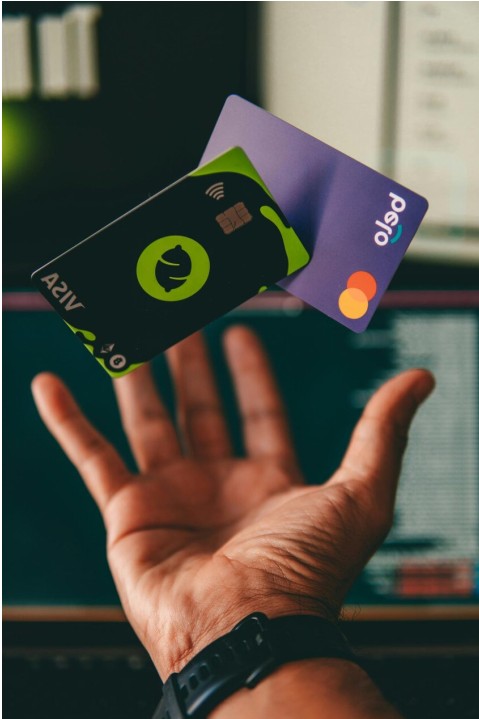

Personal budgeting made practical
Track essentials, trim waste, and align spending with what matters most.
View savings plans
Automated habits that support progress
Use scheduled transfers and simple rules to keep momentum steady.
Learn more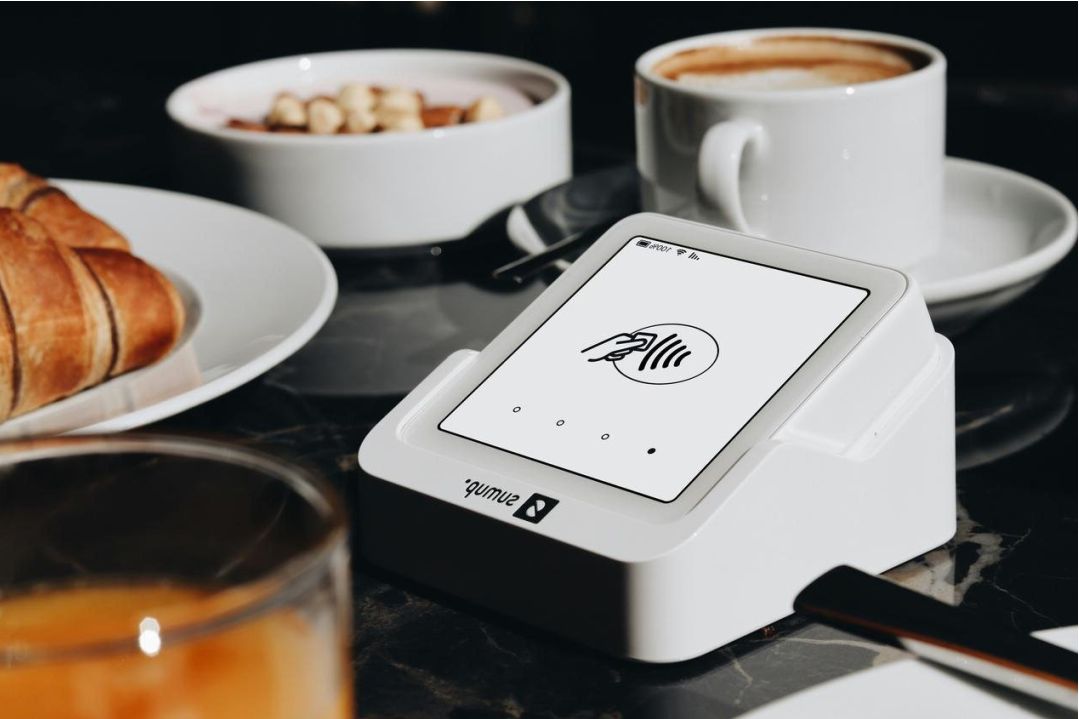
Clear dashboards for everyday decisions
See trends, anticipate bills, and choose confident adjustments.
Cashflow tipsSavings prioritization
Allocate to essentials, goals, and buffers with a simple envelope structure.
Trend visibility
Spot spending drift early and adjust categories before it strains your plan.
Risk awareness
Build cushions for variability and expenses that tend to arrive unexpectedly.
Lightweight automation
Use simple rules and reminders that help you stay consistent without overwhelm.
A practical approach to modern savings
Optimizing personal money management begins with clarity. Start by mapping your fixed obligations, typical variable categories, and goal-based allocations. When each dollar is assigned a purpose, everyday choices become easier and your plan evolves naturally with changing priorities. This approach favors small, steady refinements over sweeping changes, helping you sustain progress with less friction.
Begin with a baseline month. Track incoming cashflow and log spending in three tiers: essentials, flexible wants, and future-focused buckets. Essentials cover housing, utilities, transportation, groceries, and healthcare. Flexible wants include dining out, entertainment, and discretionary shopping. Future-focused buckets capture emergency reserves, short-term projects, and long-term aspirations like education or retirement. This structure provides a clear picture without overwhelming detail.
Next, choose one optimization at a time. You might reduce underused subscriptions, renegotiate a recurring bill, or swap a weekly habit for a lower-cost alternative. Each change frees room for goals that matter more. Automating small transfers into separate goal folders can make consistency easier. By pairing automation with monthly reviews, you stay accountable while keeping effort manageable.
Visualization supports better decisions. Simple dashboards reveal trends: rising categories, seasonal spikes, or forgottens that repeat. With a clear view, you can set thresholds that trigger review rather than strict rules. When a threshold is reached, you pause to consider tradeoffs: delay a purchase, reallocate from a surplus category, or update the plan to reflect new realities. These deliberate check-ins protect your priorities.
Finally, adopt a rhythm. A weekly 10-minute check-in and a monthly 30-minute review can sustain momentum. During the weekly check-in, categorize transactions, glance at goals, and queue small adjustments. During the monthly review, reflect on what worked, reset targets, and schedule upcoming transfers. Over time, the system becomes lighter because your habits align with your preferences and constraints.


What people say

Clear categories and gentle reminders helped me stay consistent without feeling overwhelmed. My goals feel more realistic now.

I appreciate the simple dashboards. Seeing trends made it easier to choose what to adjust first.

Automation for small transfers worked great for me. It keeps progress moving in the background.

The weekly check-in idea fits my schedule and helps me keep categories accurate.

I like how flexible the plan is. It adapts when life changes without derailing everything.
Trusted by practical savers



Subscribe for practical budgeting insights
Find us in San Francisco
Visit our local spot to discuss practical steps and tailored budgeting playbooks. Sessions are available by appointment; reach out to align on timing and focus.